By Markos Panayiotou (LMU München)
In the spring of 2025, I approached the Centinela bus station in Tena, the capital of the Napo Province in Ecuador, when a peculiar incident caught my attention. As a woman stepped off the bus, she was immediately surrounded by a shouting crowd of people. “What’s happening, are they fighting?” I asked the nearby vendors nervously. “No, they are just buying cocoa”, someone replied. When the crowd noticed another woman coming off the bus, the same scene unfolded again. Cocoa intermediaries are employing such strategies to force producers to coerce and accept their prices.
When I arrived in Napo in February of the same year, the price of cocoa paid to local producers had already tripled, rising to over 3 US dollars per pound. In the media, the rising prices are linked to climate change and its impacts on plantations in West Africa – one of the world’s main suppliers of cocoa (Akinfenwa, 2025). The crop damage in the area is attributed to droughts, irregular rainfall, and the spread of plant diseases.
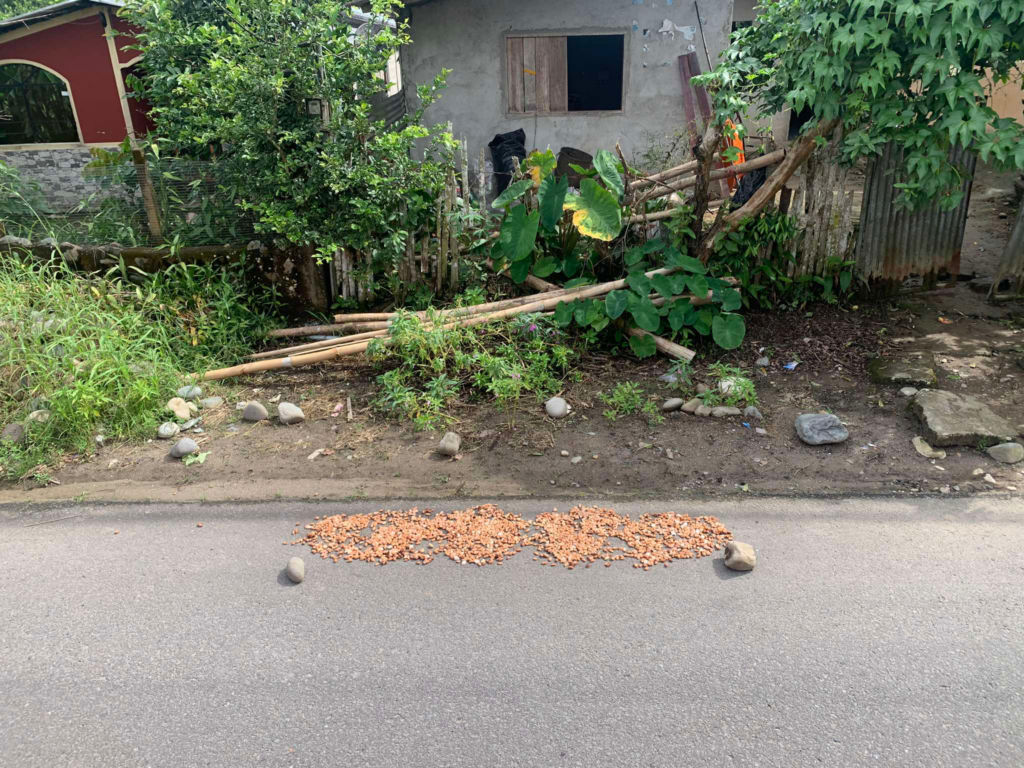
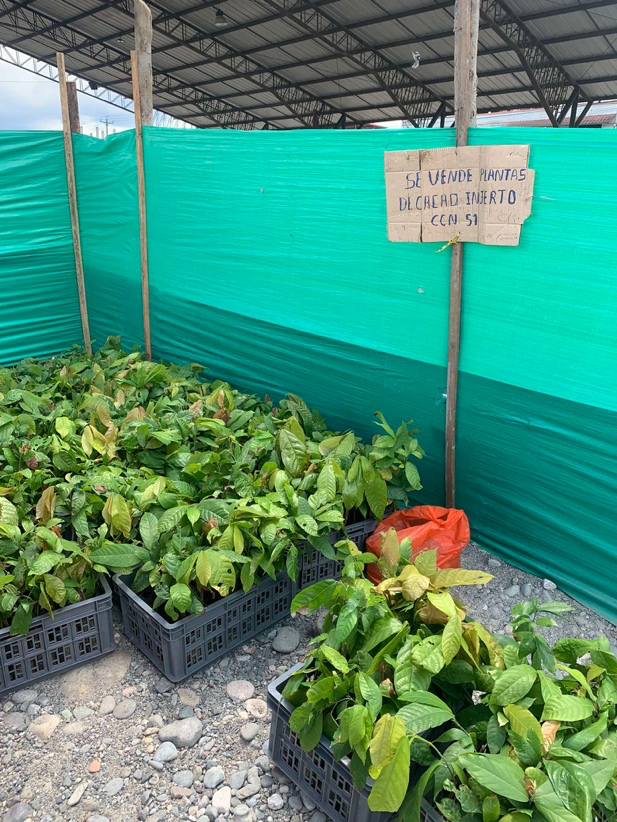
Shifts in the global cocoa supply chain also impact the social and ecological life-worlds of communities in Napo. The increase in the cash crop’s price has prompted local producers to plant more cocoa and, in some cases, to transform their diversified chagra cultivations into monocultures. At almost every corner of the city of Tena, I encountered small cocoa plant-seedlings sold by local vendors. Public pavements and roads were also covered with cocoa beans, which were left there to dry. The pungent smell of fermenting cocoa beans wafted through the city.
While these changes have put pressure on local producers, they have also created new opportunities for healing. On the one hand, the intensified cultivation of cocoa creates favorable conditions for the spread of parasitic organisms. On the other, these same parasites are locally valued for their medicinal qualities.
My observations emerged from the first phase of my field research for my doctoral studies in the Upper Napo region of Amazonian Ecuador. My research revolves around the healing practices of Kichwa-speaking communities and their ecological entanglements. I initially conducted participatory observation and semi-structured interviews with local yachak shamans and pajuyuk healers. I was surprised to observe the different ways in which local healing concepts and practices are embedded within the wider framework of market relations. For this reason, I expanded my research focus to include local representatives of producer organisations.
What caught my attention was a locally perceived shift in values (cambio de valores) occuring alongside the commercialisation of forest resources. Local healing practices mediate between conflicting perceptions of value while holding the tension between their differences. I illustrate this point by referring to a parasitic mistletoe that is attributed with healing properties, despite damaging cocoa cultivations.
I shared the details of the previous incident at the bus stop with Marco[1], a current representative of the corporation “Chagra[2]”. I had met him a couple of days earlier during a gathering of local communities in Archidona, with which the corporation is affiliated. The communities gathered with representatives from governmental and non-governmental organisations to discuss whether they would give their consent (consulta previa) to a project involving the commercialisation of the local forest crop patas muyu, more widely known as cacao blanco (theobroma bicolor).
Marco explained that at the end of the 20th century Kichwa communities began organising themselves in locally based associations (asociaciones agroproductivas) in order to achieve better selling prices and better protection from profit-seeking intermediaries. The local organisation of farmers facilitated access to national and international markets, as well as to certification schemes. The corporation “Chagra”, which was founded more recently, acts as an umbrella for these local associations. The aim of “Chagra” is to incentivise local farmers to continue growing crops the “ancestral” way, without the use of inorganic fertilisers and pesticides. At the same time, it also introduces them to new cultivation methods and technologies that could improve their yield. This strategy offers the advantage of preserving local agroforestry practices while complying with organic and fair-trade regulations of international certification bodies, such as those located in North America and Europe.
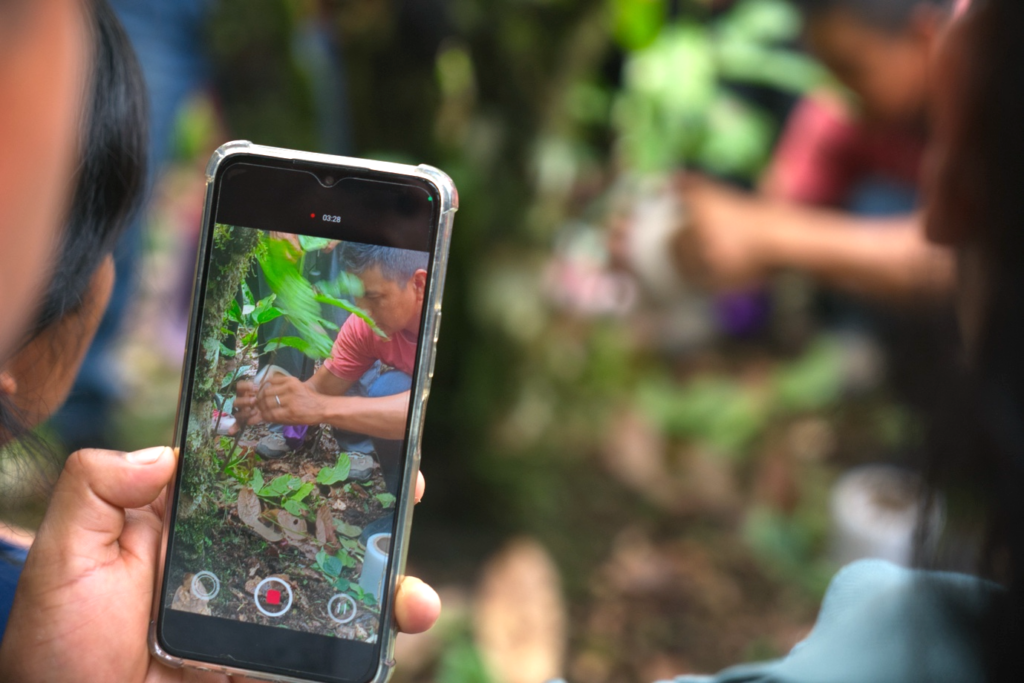
Although local chagra agroforestry systems are described as climate-resilient (Álava-Núñez et al., 2025), they also present certain challenges. Growing crops in a biodiverse, tropical environment allows diseases, insects, and parasitic plants to colonise every part of cocoa trees, from their roots to higher branches. As a result, producers must come to terms with the fact that the majority of their harvest will be damaged.
However, as Marco explained, this damaged landscape provides novel opportunities for healing:
“We see the chagra as a medicinal environment, a productive environment. Insects and ants are pests and illnesses, but they also help pollinate. The same plant can be an illness and a remedy. For instance, the “witches’ broom” is an illness that affects cocoa trees, but it is also a medicinal remedy. For profit, people start using chemicals, killing all the microorganisms and ants. They only permit one type of tree to grow.
Our idea is not only to diversify the cultivation, but also to neutralise the positives and negatives. This can be achieved through appropriate management (manejo adecuado) of crops. For example, producers must clear the ground of weeds and remove parts of the witches’ broom, which can completely overtake the tree. They must regulate these weeds.”
(Interview with Marco Grefa, May 9, 2025)
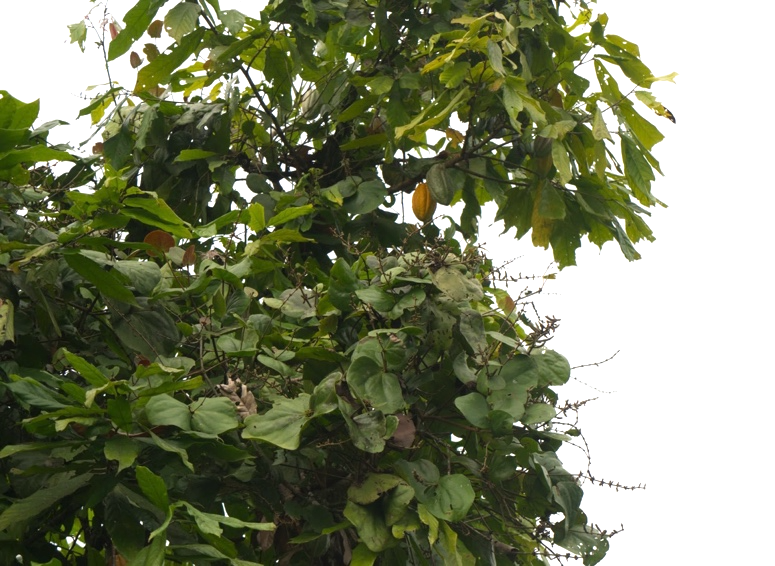
The term “witches’ broom” (escoba de bruja) or lumbichik in Kichwa, is used by locals to describe a parasitic mistletoe[3] belonging to the family Loranthaceae (Ponce-Sánchez et al., 2021). Birds disperse its seeds via fecal matter on the upper branches of cocoa trees. The parasitic plant then forms a mass of clustered branches that block sunlight and damage the cocoa cultivation.
Despite its damaging effects, lumbichik is considered a medicinal plant and is used to treat injuries such as sprains and fractures. An individual capable of treating these injuries is considered a pajuyuk, that is, someone who possesses paju. Paju describes different healing abilities and other practical skills transferred intergenerationally from one’s parents, godparents or in-laws in exchange for money. The plant is known as the broom of witches due to its healing properties associated with witchcraft and its clustered branches that resemble a broom.
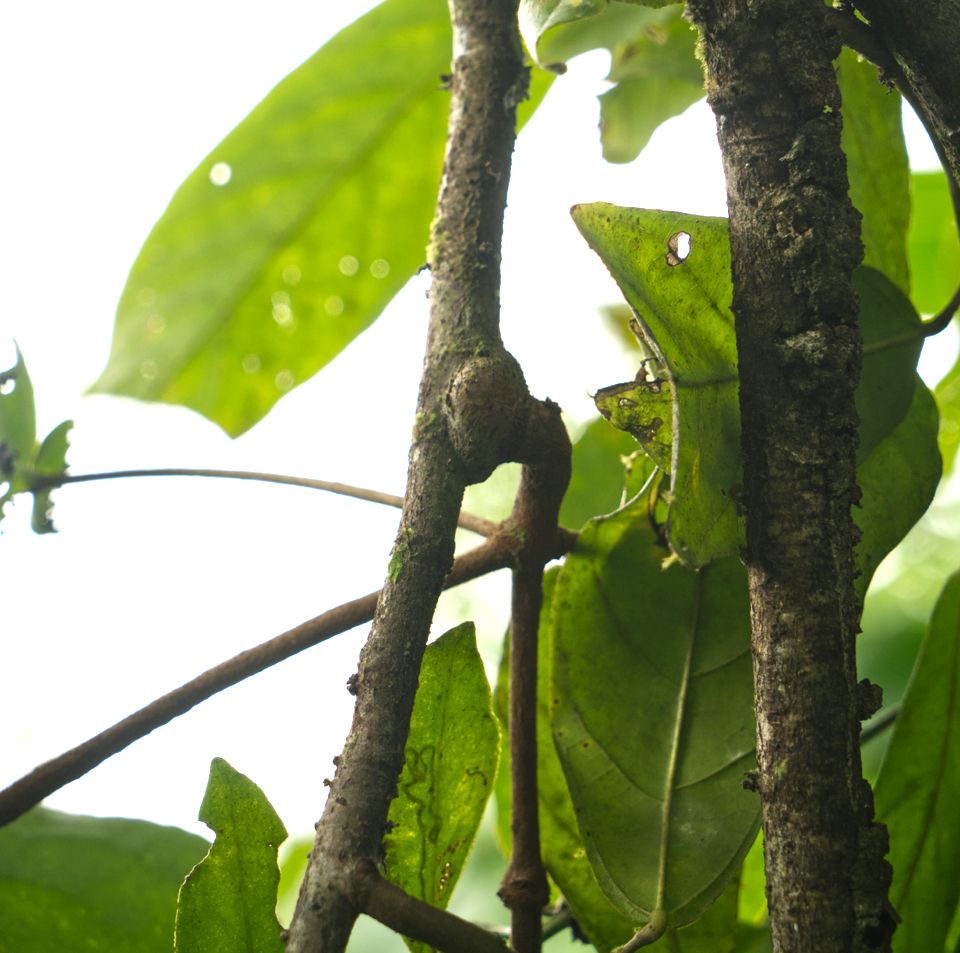
The medicinal use of mistletoes is well-documented around the globe (Zänker and Kaveri, 2015). In Napo, healers make use of the plant’s ecological and reproductive abilities. They assert that, in the same way it vigorously attaches itself to the branches of cocoa, it can help reattach broken or fractured bones. This is expressed through the Kichwa verb llutarina, which is translated as apegarse in Spanish. The same verb describes both its parasitic and healing “attachment” abilities.
These multiple layers of meaning of local terms move beyond binary distinctions of health and disease. The damaging and healing qualities of the witches’ broom do not contradict each other. Such ambivalences are evident in local concepts, such as ambina, a term used for practices that may heal as well as poison. In this way, local concepts hold the tension between ambivalent facets of life without negating their differences.
Acknowledgments
I would like to express my deepest gratitude to the communities in the cantons of Archidona and Tena for welcoming me into their families and for sharing their knowledge with me. Ashkara pagrachuni!
I also wish to extend my sincere thanks to Professor Michael Uzendoski at FLACSO University in Quito, as well as to Wilfredo Franco of IKIAM University in Tena, for accepting me as a visiting doctoral student in Ecuador.
This research was conducted within the framework of the Reinhart Koselleck project “Planetary Healing: Transformation, (De)colonization, and Climate Change”, funded by the German Research Foundation (Deutsche Forschungsgemeinschaft, DFG; project number 529294330), led by Eveline Dürr.
References
Akinfenwa, Gbenga. (2025). ‘Why cocoa price is projected to hit $6/Kg in 2025’, The Guardian, 22 February 2025. Available at: https://guardian.ng/business-services/agro-care/why-cocoa-price-is-projected-to-hit-6-kg-in-2025/#google_vignette [Accessed 13 November 2025].
Álava-Núñez, Paulina, Bolier Torres, Miguel Castro, and Marco Robles. (2025). ‘AGB Carbon Stock Analysis in the Indigenous Agroforestry of the Ecuadorian Amazon: Chakra and Aja as Natural Climate Solutions’, Frontiers in Forests and Global Change, 8,1513140. https://doi.org/10.3389/ffgc.2025.1513140.
Ponce-Sánchez, Juan, María G. Zurita-Benavides, and María Cristina Peñuela. (2021).‘Reproductive Ecology of White Cacao (Theobroma Bicolor Humb. & Bonpl.) in Ecuador, Western Amazonia: Floral Visitors and the Impact of Fungus and Mistletoe on Fruit Production’, Brazilian Journal of Botany, 44, 479-489. https://doi.org/10.1007/s40415-021-00709-9.
Sousa Filho, Hélio R., Raildo M. De Jesus, Marcos A. Bezerra, Gregório M. Santana, and Romário O. De Santana. (2021). ‘History, Dissemination, and Field Control Strategies of Cocoa Witches’ Broom’, Plant Pathology, 70, 1971–1978. https://doi.org/10.1111/ppa.13457.
Zänker, Kurt S., and Srini V. Kaveri (eds). (2015). Mistletoe: From Mythology to Evidence-Based Medicine (New York: Karger).
[1] With permission from the interlocutor, the real name is used for this blog.
[2] The corporation takes its name from a local form of diversified cultivation described as chagra in Kichwa. Although different Indigenous communities around South America make use of the word, in Amazonian Kichwa it describes a type of agroforestry in which different plant types, including tubers, vines, and palms, are simultaneously cultivated on the same plot of land. The diversity of the chagra’s flora is associated with that of its fauna, as a variety of insects, serpents, and rodents, amongst other organisms, find refuge in it. I have written the name of the corporation with a capital “C” to distinguish it from the agroforestry system.
[3] The term “witches‘ broom” is also used in the literature to refer to other cacao diseases, for instance those caused by a fungus (Sousa Filhoet al., 2021). Whereas mistletoes remain distinct from their hosts, the fungal disease induces abnormal growth of the cocoa plant’s own tissues.
Cite as: Panayiotou, Markos (2026). The Witches’ Broom: Healing with Cocoa’s Damage in Napo, Ecuador, url: https://www.planetaryhealing.gwi.uni-muenchen.de/the-witches-broom-healing-with-cocoas-damage-in-napo-ecuador/