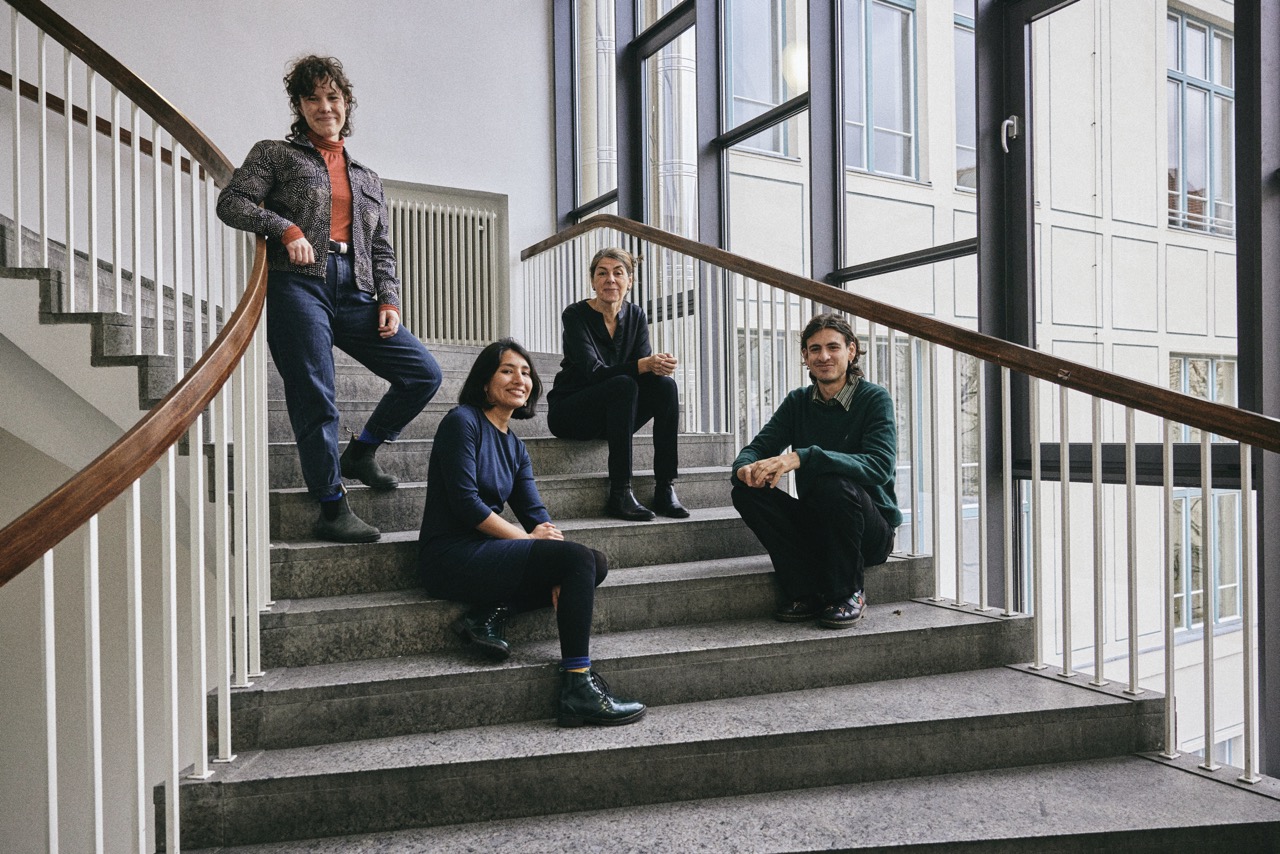
By Valeska Díaz Soto, Meret Haack & Markos Panayiotou (LMU München)
Kick-off Symposium of the Planetary Healing Research Project
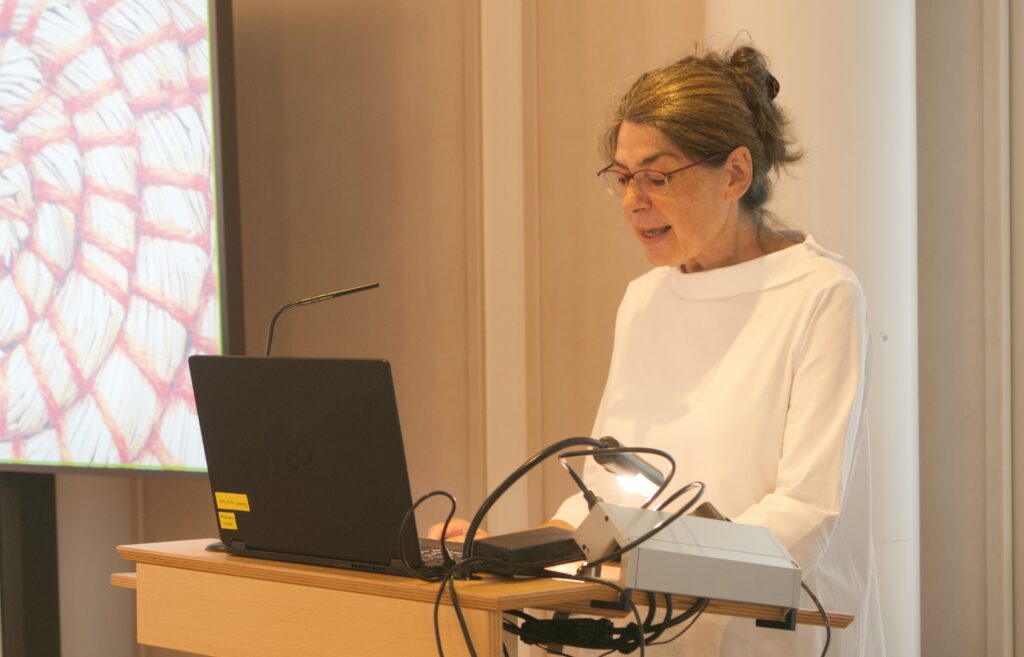
On June 5th, 2025, the international symposium “Healing in the Damage: New Perspectives on Human-Environment Entanglements“ took place at Ludwig-Maximilians-Universität (LMU) München. The event, organized by the Planetary Healing Research Group led by Professor Eveline Dürr, launched a debate about potential routes towards healing in light of the numerous consequences of the Anthropocene. As part of the event, participants discussed Indigenous and local perspectives from the Americas as alternative approaches to addressing climate change, while exploring their potential for fostering social change.
The opening event of the project featured a keynote by Adrienne Johnson (Wilfrid Laurier University, Canada) and Alexii Sigona (University of California, Berkeley, USA) titled: “Recognition, Healing, and Co-Stewardship: The Case of Landless Tribes and Conservation in California”. In their presentation, the two speakers explored the concept of healing as utilized by local activist and Indigenous movements in California. In this way, they expanded the conceptof healing to include the political recognition of Indigenous sovereignty and practices of land cohabitation.
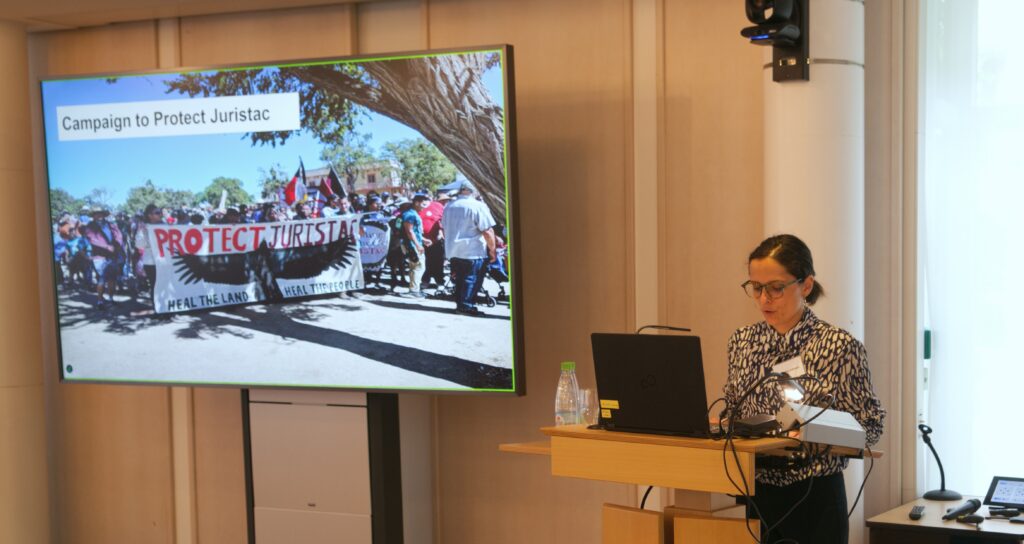
The symposium’s speakers shared their perspectives on the connection between environmental damage and concepts of healing. Jutta Gutberlet from the University of Victoria, Canada, explored themes of waste picking and healing polluted urban environments. In this context, she sought solutions at both regional and transregional levels within applied and activist frameworks of anthropology. Libertad Chávez-Rodríguez from CIESAS (Centro de Investigaciones y Estudios Superiores en Antropología Social) in Mexico examined the connections between the people of Monterrey and the Santa Catarina River. Libertad then explored the practical application of river imaginaries and the relationships between care and healing. Cristián Simonetti from the Pontificia Universidad Católica de Chile proposed that we consider cryolife as a living actor. He then explored performative methods of conceptualizing abiotic environments and “healing” climate-change-induced damage.
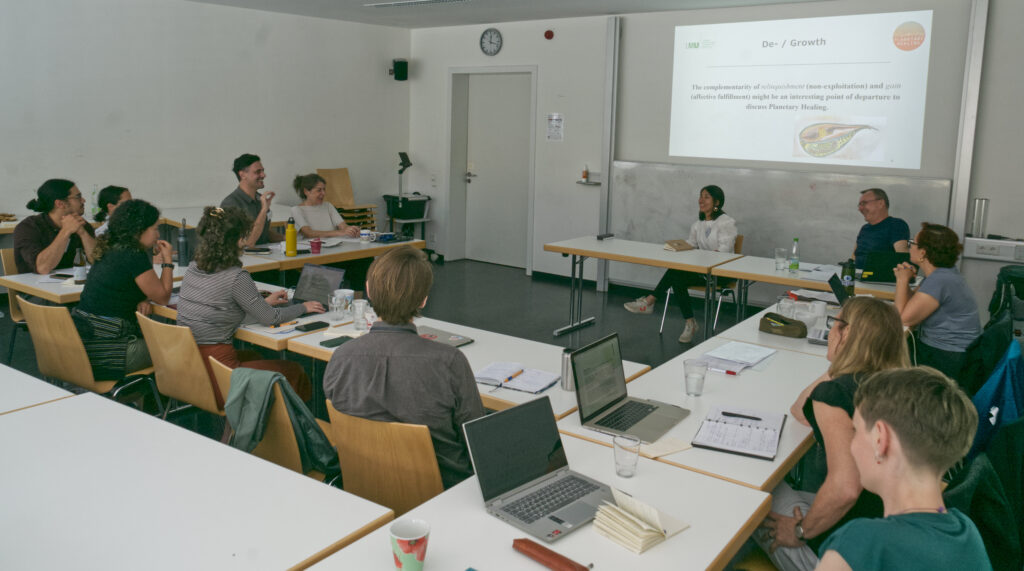
The day after the kick-off, the speakers joined the members of the Planetary Healing research group for a workshop. They provided valuable feedback on the individual research projects. We are excited to announce a special issue on the topic of Planetary Healing, resulting from discussions held during the workshop. The special issue will strive to conceptualize healing via themes of transformation, temporality and materiality, as well as processes of knowledge generation and translation.
Cite as: Díaz Soto, Valeska, Haack, Meret, and Panayiotou, Markos. (2025). ‘Healing in the Damage: New Perspectives on Human-Environment Entanglements Kick-off Symposium of the Planetary Healing Research Project’, Planetary Healing Blog, url: https://www.planetaryhealing.gwi.uni-muenchen.de/healing-in-the-damage/